Anderson Vacations
✆: (512) 716-0900 | ✉:
Anderson Vacations
✆: (512) 716-0900 | ✉:



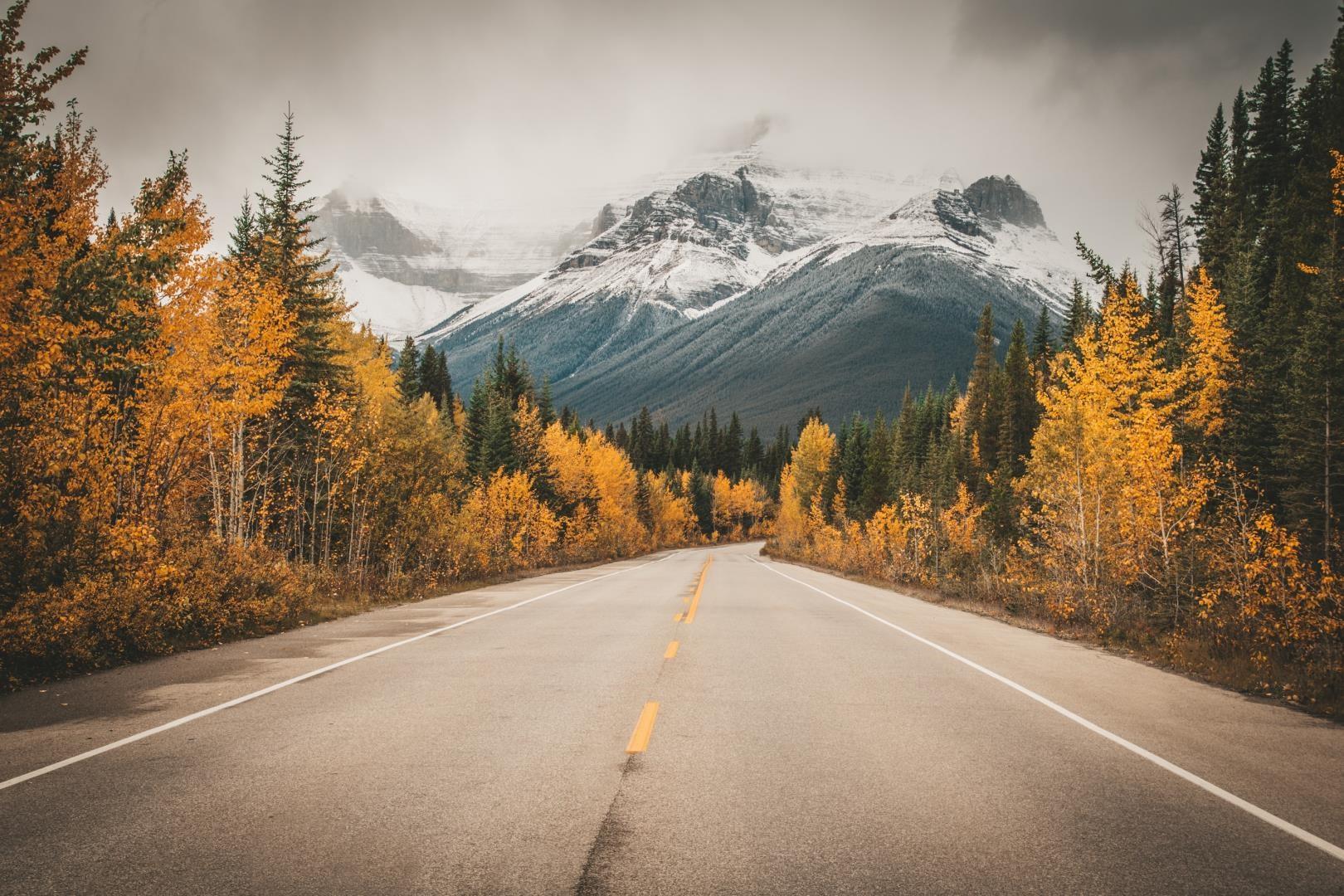


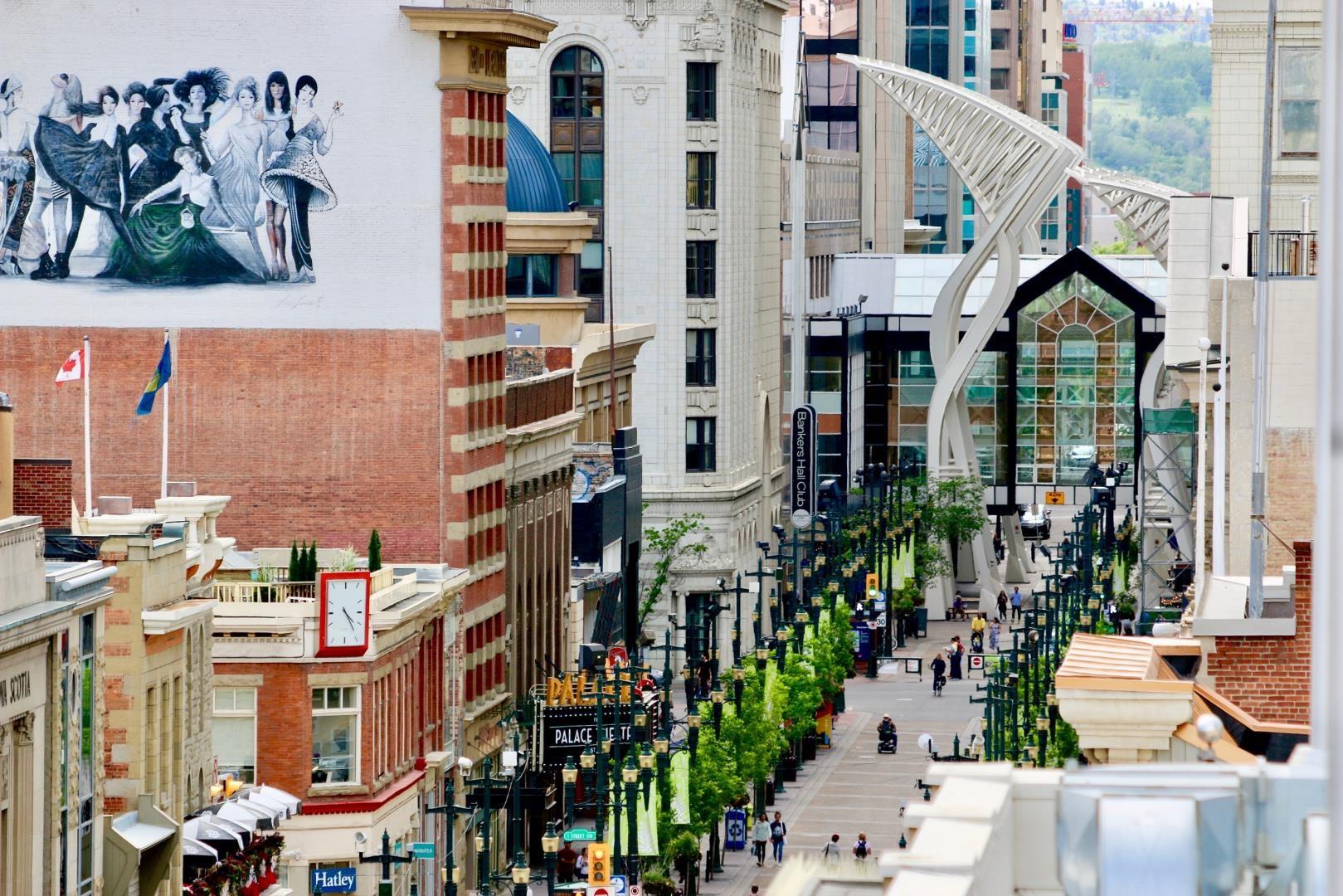



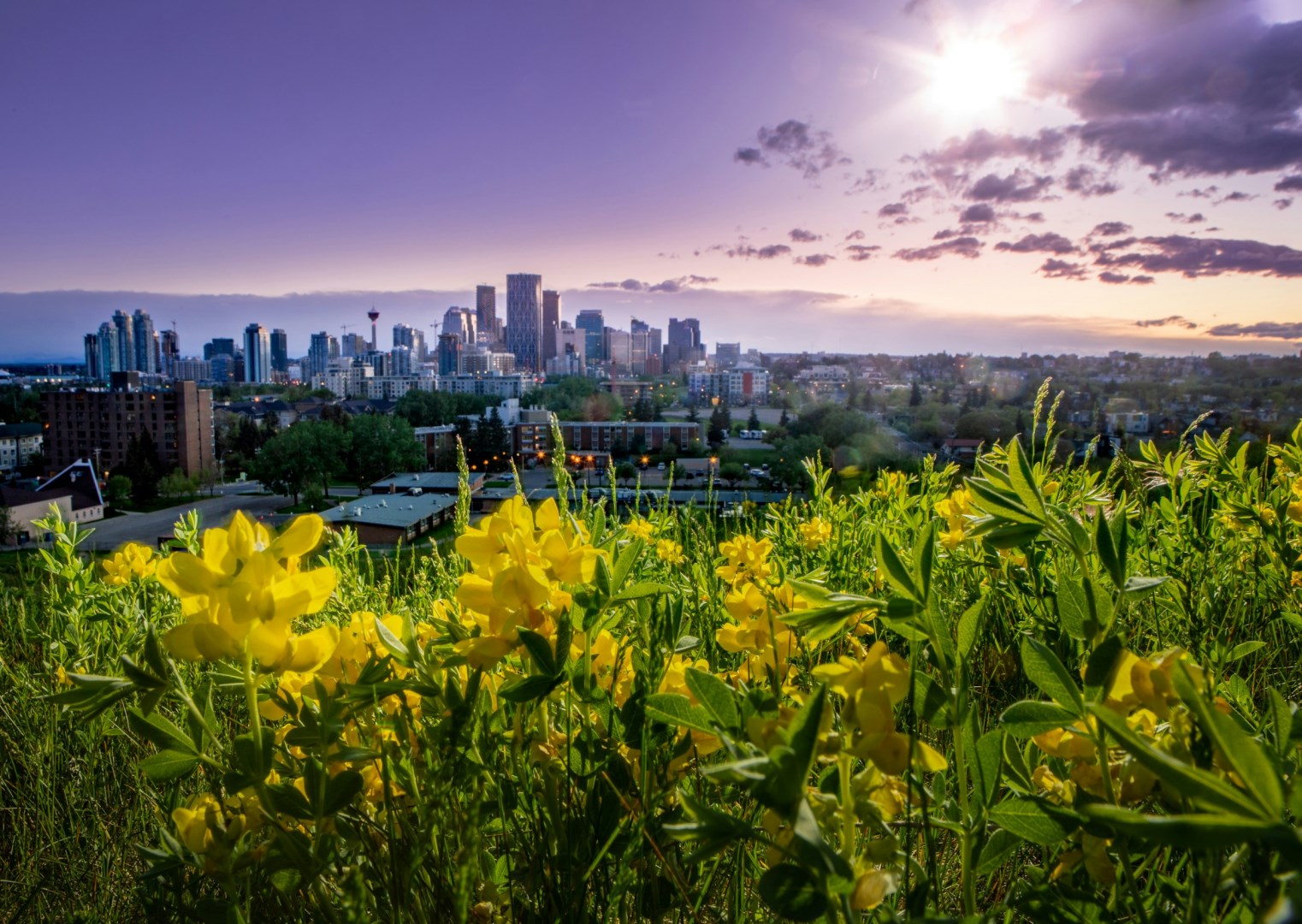


Calgary, set against the backdrop of Alberta’s prairie landscape and the distant Canadian Rockies, is a city where western heritage and modern innovation meet. Once a hub for cattle ranching and the oil industry, it has grown into one of Canada’s most dynamic urban centers. Its Indigenous roots and ranching history remain central to its identity, celebrated alongside contemporary art, architecture, and cuisine.
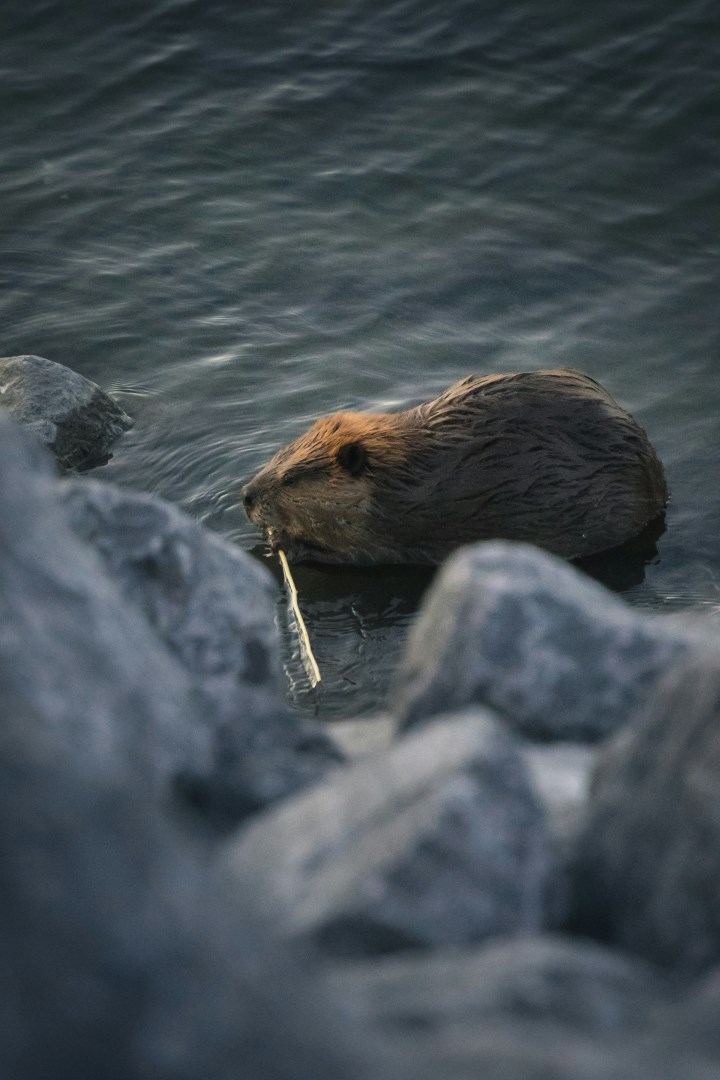
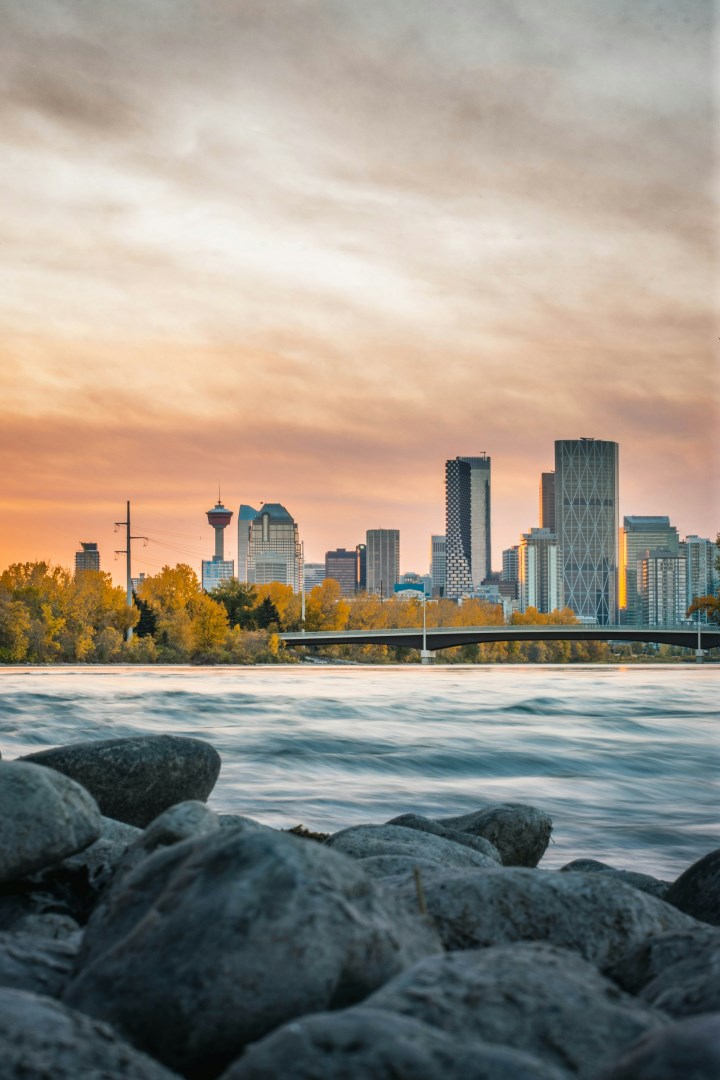
The city is perhaps best known for the Calgary Stampede, a world-famous rodeo and festival that showcases cowboy culture, horsemanship, and a sense of community pride. Beyond this annual event, Calgary offers a thriving arts and theater scene, diverse neighborhoods, and a skyline crowned by the Calgary Tower. The Bow River runs through the heart of the city, adding natural beauty and trails that link urban life to the outdoors.
What makes Calgary distinctive is its blend of frontier tradition and forward-looking energy. It is a place where rodeo champions and tech innovators share the same stage, and where sweeping prairie skies meet the promise of the mountains.
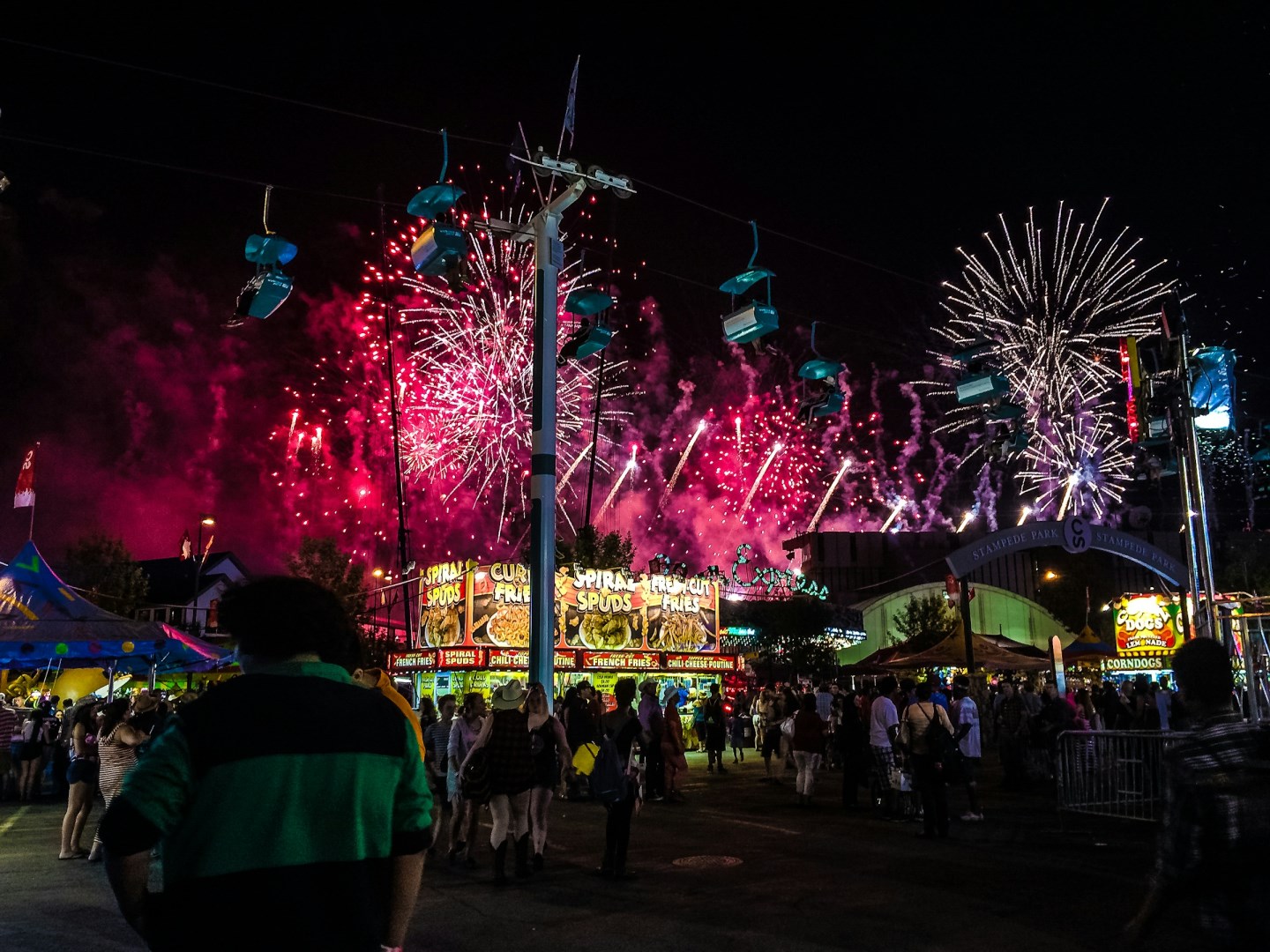
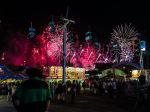
The Calgary Stampede is a major annual festival and rodeo held at Stampede Park in Calgary, Alberta, combining professional rodeo events, agricultural displays, concerts, midway rides, exhibitions, and food. The event is closely associated with Calgary’s western identity and presents traditions connected with ranching, livestock, and rodeo. Its grounds include the Saddledome, BMO Centre, and rodeo facilities, creating a large entertainment district south of downtown. The Stampede also features Indigenous cultural programming, including the Elbow River Camp, where visitors can learn about the traditions and histories of Treaty 7 First Nations.
The festival has a strong connection to Calgary’s agricultural community, with livestock competitions and agricultural exhibitions providing a central part of its program. Rodeo events include bull riding, saddle bronc riding, bareback riding, barrel racing, steer wrestling, tie-down roping, and team roping. The evening Grandstand Show combines music, theatrical performances, and the famous chuckwagon races, while the Stampede Parade brings marching bands, horses, floats, and community groups through downtown Calgary. Together, these activities reflect the event’s longstanding links with western and agricultural traditions.
Stampede Park becomes a large temporary fairground during the event, with amusement rides, games, food stands, and exhibition spaces alongside the rodeo arena. The midway includes rides for different ages, while visitors can explore agricultural showcases and competitions featuring horses, cattle, and other livestock. Elbow River Camp provides a separate cultural area where Treaty 7 First Nations share traditional knowledge, performances, crafts, and foods. The combination of rodeo, agriculture, entertainment, and Indigenous cultural programming makes the Calgary Stampede one of the city’s most recognizable public events.
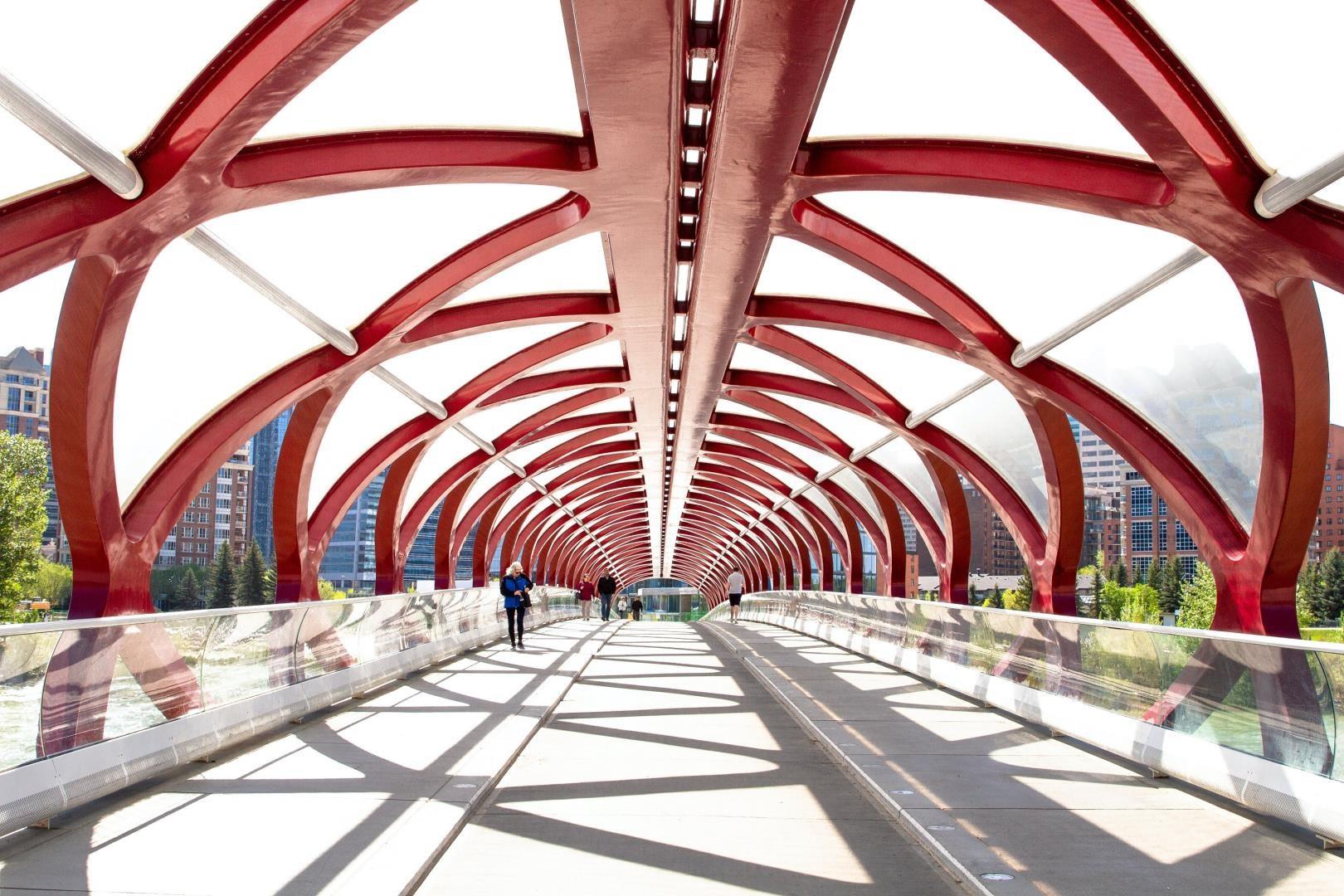
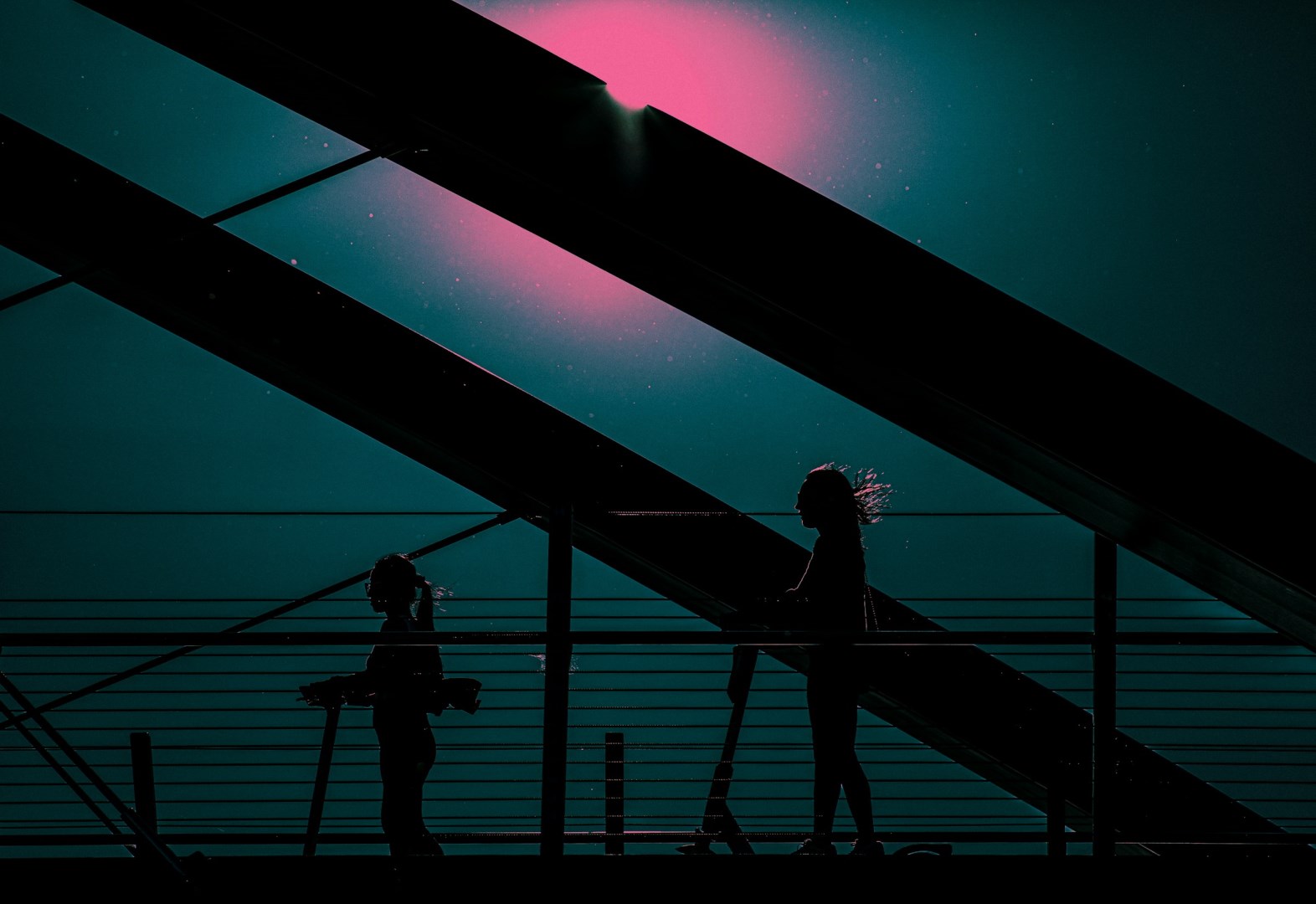
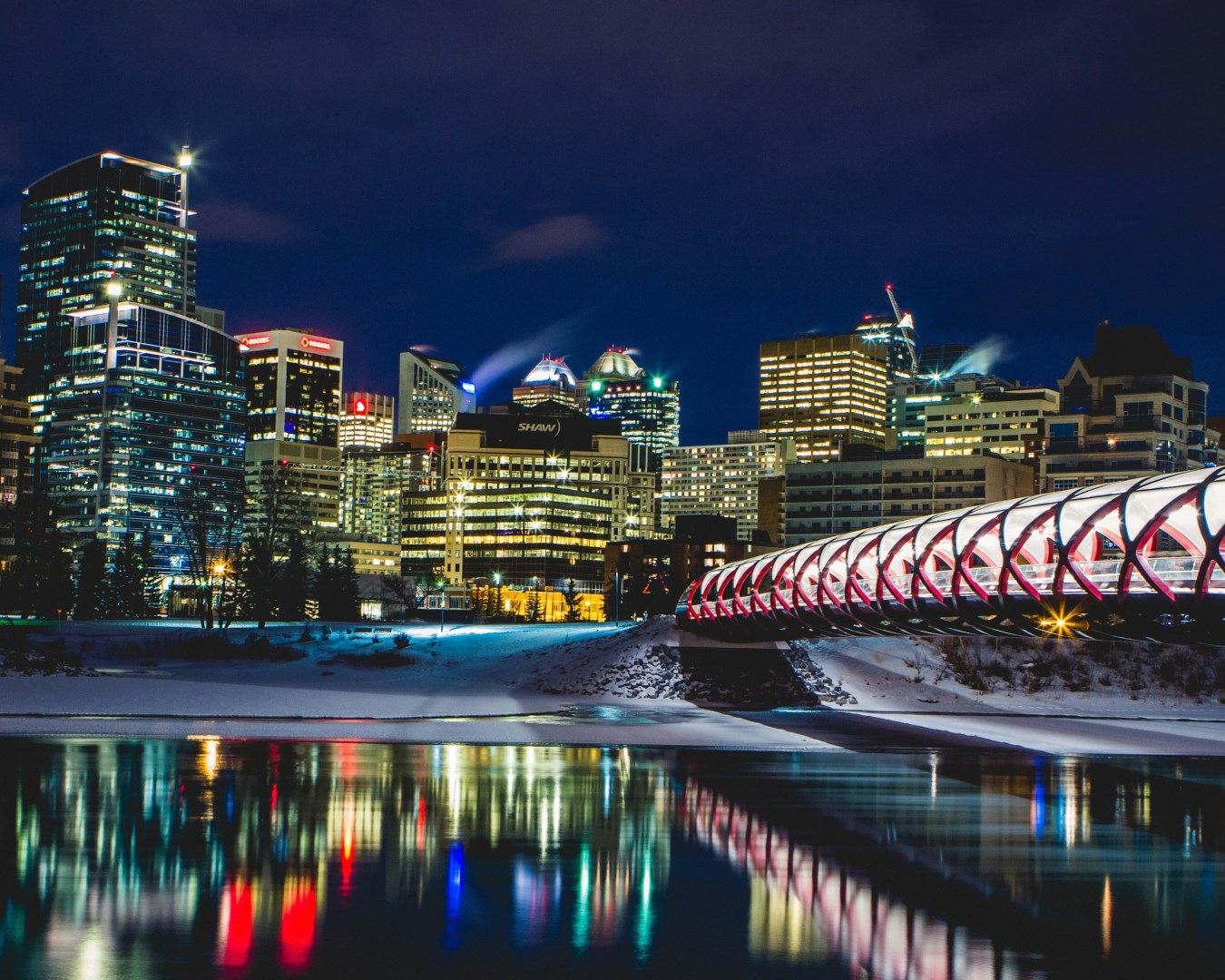
St. Patrick’s Island Bridge is a pedestrian and cycling bridge in Calgary that crosses the Bow River and connects the East Village with St. Patrick’s Island. Designed as a distinctive curved structure, the bridge forms part of Calgary’s extensive pathway network and provides a direct link between the downtown area and the island’s restored parkland. Its broad deck is shared by pedestrians and cyclists, while the elevated position offers views of the Bow River, nearby bridges, and the surrounding city skyline. The bridge is also an important connection between several riverfront recreation areas.
The bridge’s design includes a sweeping central curve supported by a steel structure, creating a recognizable landmark along the Bow River. It was developed as part of the broader revitalization of St. Patrick’s Island, which transformed the former industrial landscape into a public park with wetlands, pathways, picnic areas, and river access. The bridge provides access to these spaces from the East Village and links into pathways extending along both sides of the river.
The crossing is particularly useful for exploring Calgary on foot or by bicycle, with St. Patrick’s Island immediately beyond the bridge and the Bow River pathway system continuing in several directions. From the bridge, visitors can see the island’s landscaped riverbanks as well as the downtown skyline to the west. Nearby attractions include the National Music Centre at Studio Bell, Fort Calgary, and the East Village RiverWalk. The bridge is therefore both a practical transportation link and a viewpoint within Calgary’s riverfront park network.
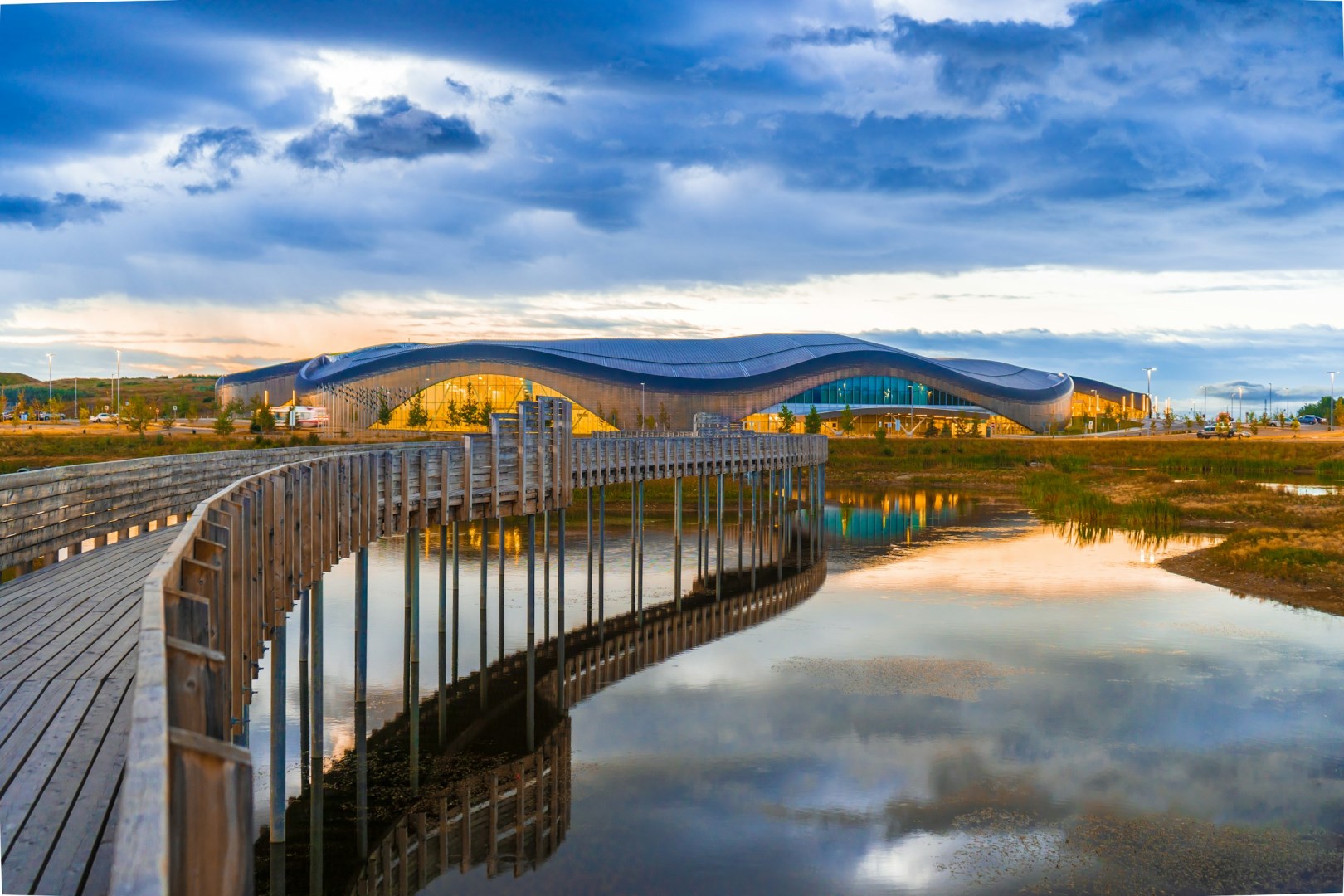
Shane Homes YMCA at Rocky Ridge is a large community recreation centre in northwest Calgary, set within a reconstructed wetland with views toward the city and surrounding mountains. The open-concept facility covers about 284,000 square feet and combines fitness, sports, swimming, arts, childcare, and community services under one roof. Its facilities include a triple gymnasium, indoor climbing wall, NHL-sized hockey rink, leisure ice, indoor track, and an aquatic centre with a wave pool, waterslides, lazy river, and 25-metre lane pool. The building also contains the BMO Theatre and a Calgary Public Library branch.
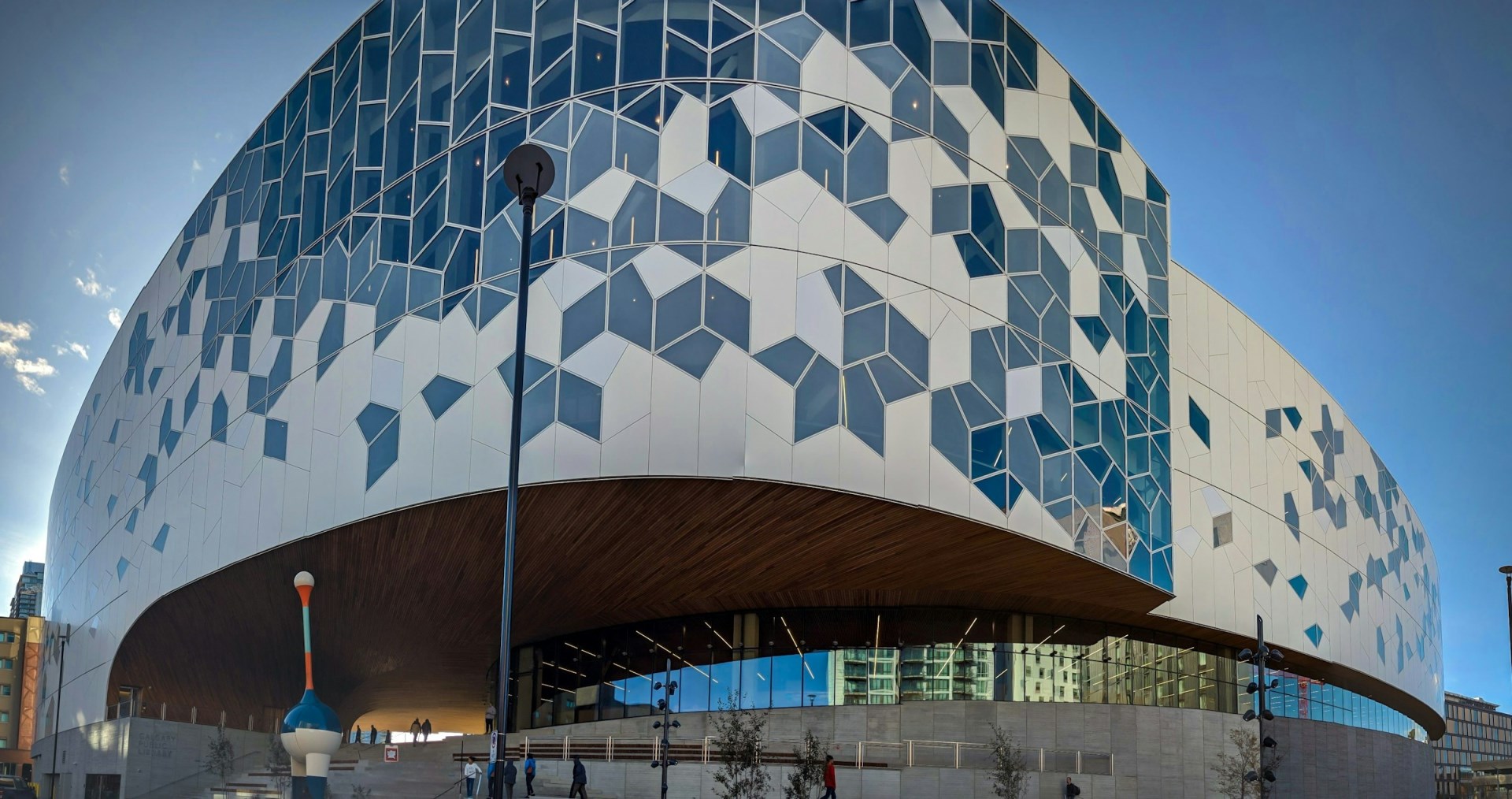
Calgary Public Library is a citywide library system serving communities across Calgary, with a network of branches that provide books, digital resources, learning programs, public spaces, and cultural activities. Its best-known location, the Central Library, occupies a distinctive building near Calgary’s East Village and features a large timber-and-glass interior, reading areas, meeting spaces, and the Patricia A. Whelan Performance Hall. The library system offers services ranging from language learning and technology support to children’s programs, workshops, exhibitions, and community events, making its branches important public spaces as well as places for borrowing materials.